


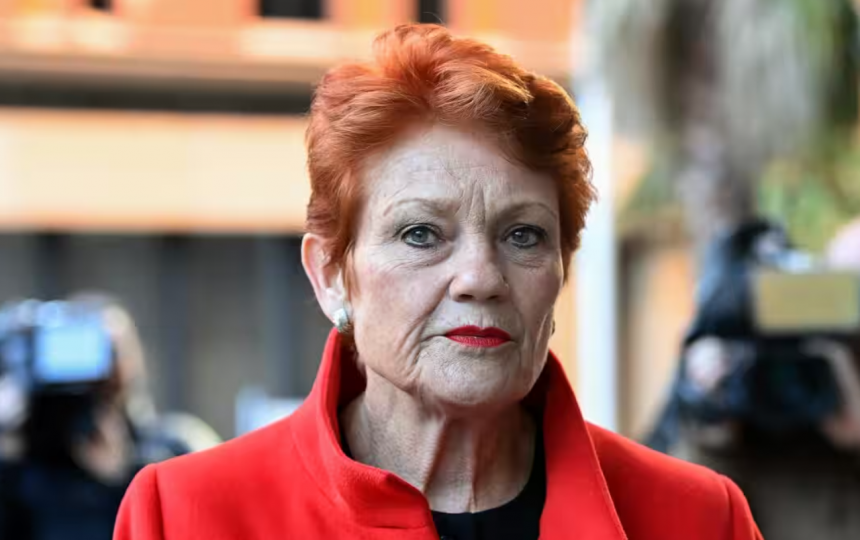
Pauline Hanson is an Australian politician best known as the founder and leader of the One Nation party, a political movement that has had a lasting impact on Australian public debate. Born on May 27, 1954, in Brisbane, Queensland, Hanson worked in various occupations before entering politics, including running a small fish and chip shop. Her background as a small business owner contributed to her political messaging, which often emphasizes economic challenges faced by everyday Australians.
Hanson first gained national attention in 1996 when she was elected to the House of Representatives as the member for Oxley. Originally endorsed by the Liberal Party, she ran as an independent after her endorsement was withdrawn prior to the election. Her maiden speech to Parliament attracted widespread attention for its strong positions on immigration, multiculturalism, and economic policy, marking the beginning of her prominence in Australian politics.
In 1997, Hanson founded the One Nation party, which aimed to address concerns related to globalization, national identity, and economic inequality. The party quickly gained electoral support, particularly in regional areas, and achieved success in several state elections. One Nation’s rise reflected a broader shift in political sentiment among voters who felt disconnected from major political parties.
Hanson’s political career has been characterized by both significant successes and notable challenges. She lost her parliamentary seat in 1998 but continued to contest elections and remain active in public life. Over the years, she attempted political comebacks at both state and federal levels, demonstrating persistence in maintaining her political platform.
In 2016, Hanson returned to federal Parliament after being elected to the Senate for Queensland. This marked a resurgence in her political influence and renewed visibility for the One Nation party. Since then, she has continued to advocate for policies focused on immigration control, economic protectionism, and support for regional communities.
Hanson is widely regarded as a polarizing figure in Australian politics. Supporters often see her as a representative of voices that are underrepresented in mainstream political discourse, while critics argue that some of her views are divisive or controversial. Regardless of perspective, her impact on political debate is significant, particularly in shaping discussions on national identity and public policy.
Pauline Hanson’s enduring presence in politics highlights the evolving nature of voter concerns and the role of alternative political movements in democratic systems. Her career reflects both the opportunities and challenges faced by politicians who operate outside traditional party structures while maintaining a strong and dedicated support base.